Posted on 12/19/2025
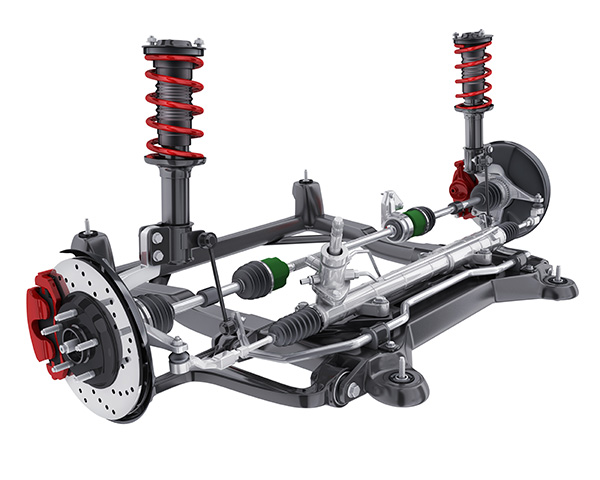
You hit a bump, the wheel tugs a bit, and the car feels just a little unsettled. On another day, you turn into a driveway and hear a clunk from the front. Most drivers lump all of that together as “front-end issues,” but the parts that keep your car pointed straight, and the parts that keep it riding smoothly, are doing different jobs. Knowing how steering and suspension systems differ makes it easier to understand what your car is trying to tell you when something feels off. How Steering and Suspension Work Together Steering and suspension systems are separate, but they are bolted to the same corners of the car, and they rely on each other. The steering controls the direction of the wheels, while the suspension manages how those wheels move up and down as the road surface changes. When everything is tight and healthy, the car responds quickly to small inputs and still absorbs bumps without beating you up. Once wear starts to creep in, the line between s ... read more
Posted on 11/28/2025

Holiday traffic looks like a parking lot with turn signals. Engines idle longer, brakes work harder, and drivers make faster decisions with less space. A little preparation and a few smart habits keep the car calm and give you a wider safety margin when the lanes fill up. The Hidden Load of Stop-and-Go Every crawl from zero to 10 mph puts heat into the engine, transmission, and brakes. Short bursts of throttle followed by quick braking also magnify small issues like weak coils, uneven tires, or a sticky caliper. We often see minor drivability quirks become obvious only when traffic is dense and speeds never stabilize. Heat, Idling, and Fuel Economy Idling with the heater, defroster, and lights on raises electrical and cooling demands. If a cooling fan is weak or the condenser and radiator face are clogged, coolant temperature can creep up in traffic even on a cool day. Automatic transmissions also run warmer during repeated launches. Fresh oil, cor ... read more
Posted on 10/31/2025
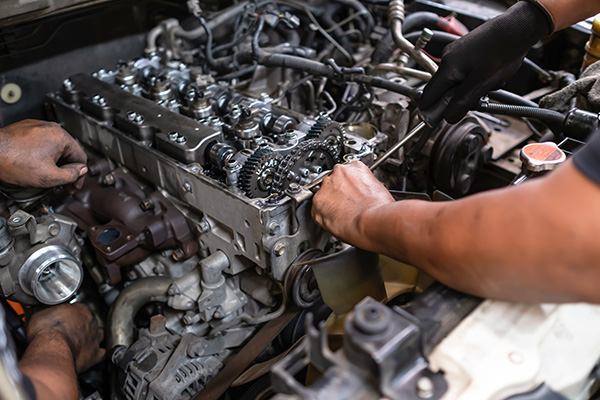
Putting off an oil change feels harmless at first. The engine sounds fine, the car still starts, and the dash is not yelling at you. The problem is that oil ages quietly. It loses the chemistry that protects metal parts, and contaminants begin to stack up inside the engine. Wait long enough, and what used to be a quick service turns into noisy start-ups, leaks, and expensive repairs you never planned for. What Fresh Oil Actually Does Inside the Engine Motor oil is more than a slick liquid. It forms a thin film that keeps metal parts from touching, carries heat away from the hottest zones, and suspends tiny particles so the filter can catch them. The additive package inside the oil does heavy lifting by neutralizing acids, preventing corrosion, and keeping varnish from sticking to passages. When that package is used up, the oil still looks like oil, but it cannot protect the way it did on day one. Why Old Oil Breaks Down Every heat cycle changes the ... read more
Posted on 9/26/2025

Your car’s oxygen sensor helps control how much fuel the engine burns. It measures the amount of oxygen in the exhaust and tells the engine’s computer whether to add more fuel or cut it back. If this sensor stops working, the engine can’t adjust properly. That often leads to poor fuel economy, higher emissions, and sluggish performance. Oxygen sensor failure is one of the most common reasons a check engine light turns on, and ignoring it can lead to much bigger issues. How the Oxygen Sensor Works Your engine needs a balanced air-fuel mixture to run efficiently. If there is too much fuel or not enough air, combustion becomes inefficient. The oxygen sensor helps regulate this balance by analyzing how much oxygen is present in the exhaust gas. There are usually one or more oxygen sensors located in or near the exhaust manifold and another downstream of the catalytic converter. Together, they help the engine adjust fuel delivery and monitor emissions ... read more
Posted on 8/29/2025

Modern vehicles use advanced power steering systems to make driving smooth and responsive. When the power steering warning light turns on, it indicates that the system isn’t functioning properly. Ignoring it can make your car harder to steer, especially at low speeds, and in some cases, it can lead to complete steering failure. We see this warning light come on for issues that range from minor fluid problems to more serious component failures. Low or Leaking Power Steering Fluid In hydraulic systems, fluid is essential for creating the pressure that assists steering. If the fluid is low, steering will feel heavy and the warning light will usually illuminate. Leaks are often the cause of low fluid, and they can occur in hoses, seals, or the steering rack itself. You might notice puddles under the vehicle or hear whining noises when turning. Refilling the fluid can temporarily restore function, but the leak itself must be repaired to prevent further damage ... read more